
Sleep Apnea Treatment – South Elgin, IL
Helping You Breathe Freely & Sleep Soundly
Sleep apnea and snoring often go hand-in-hand. While suffering from one does not always indicate that you will suffer from the other, it’s important that you recognize the signs that might indicate a more serious problem. Dr. Siewert and our qualified staff are here to provide sleep apnea treatment in South Elgin that is designed to eliminate obstructions to help you breathe freely and sleep soundly. If you are struggling to wake up well-rested and are worried about the frequent interruptions you experience throughout the night, call our dental office to schedule an appointment.
Why Choose Grand Dental – South Elgin for Sleep Apnea Treatment?
- Customized Oral Appliances Designed for Each Patient
- Flexible Financing Available
- Convenient Office Hours for Busy Individuals
The Dangers of Sleep Apnea
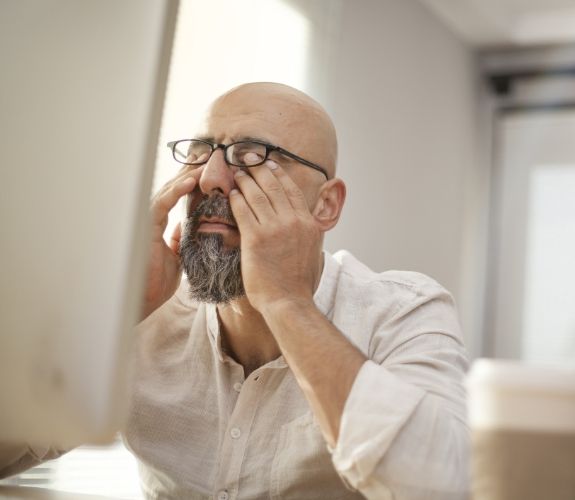
The American Heart Association estimates that one in five adults has some form of sleep apnea. While it is less likely to occur in children, it can still pose problems even at a young age.
This harmful condition can result in serious complications if left untreated. Apnea episodes occur when an obstruction forms in the airway, causing ceased breathing. If you suddenly wake gasping for air or choking, your body has likely alerted your brain to wake up and breathe. This can happen once or hundreds of times each night, resulting in problems forming throughout the body.
While chronic fatigue might seem like the most potentially harmful result of sleep apnea because of its ability to induce drowsy driving, others can be equally damaging, such as:
- High blood pressure
- Stroke or heart attack
- Abnormal heartbeat
- Heart disease/failure
- ADHD and depression
The Symptoms of Sleep Apnea
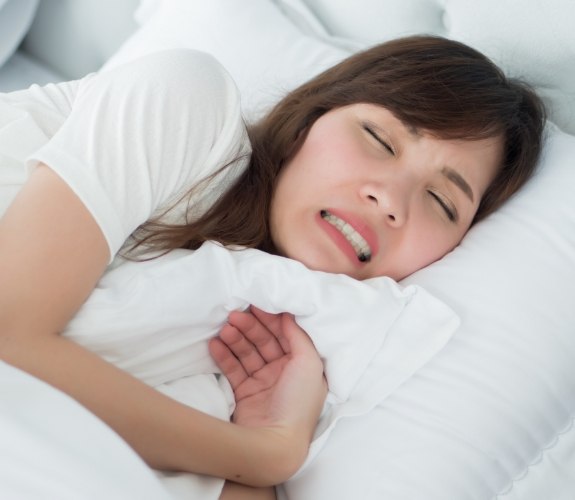
You may not know if you are suffering from sleep apnea unless you take the time to learn about the other various symptoms that can arise. These often include:
- Chronic fatigue
- Loud snoring
- Dry mouth
- Sore throat
- Insomnia
- Inability to remember (forgetfulness)
- Difficulty concentrating
- Moodiness
- Low libido
How We Can Help

Grand Dental – South Elgin will help you get the care you need right here in our office. Apart from referring you to a physician who will perform a sleep study (this is required for a formal diagnosis), we can deliver the right method of treatment to improve your sleep apnea symptoms.
This may include prescribing a continuous positive airway pressure device (CPAP) or a customized oral appliance if you find that you are unable to successfully maneuver a CPAP machine. With these custom-made, portable, and easy-to-use appliances, we can craft what looks like a traditional mouthguard that you will wear while you sleep. It helps to pull your jaw forward so that your throat remains free of obstruction throughout the night.
Sleep Apnea FAQs
Will sleep apnea go away if I lose weight?
If you are overweight or obese, losing weight can help reduce the fat around your neck. Since excess tissue around the throat can narrow your airway and increase your risk of airway obstruction, adding daily physical activity and adopting a healthy, nutrient-rich diet can help you shed unwanted pounds. As a result, you will likely notice an improvement in your sleep quality, but you should not use weight loss as the only method to address your sleep apnea. Professional treatment with an oral appliance is still essential to ensure adequate rest.
Can I diagnose sleep apnea on my own?
You may notice various symptoms that are closely related to sleep apnea; however, you cannot formally diagnose yourself. Not all signs point to obstructed breathing; they can also be attributed to other health problems. Certain technologies might also claim to detect issues (e.g., Apple Watch), but they should never replace a scheduled consultation with your doctor. They can recommend a sleep study and analyze the data to determine if you have sleep apnea. If so, you can then see your dentist to discuss treatment options.
Does everyone who snores have sleep apnea?
No, just because you snore doesn’t mean you also have sleep apnea. The same is true if you have sleep apnea; you may not snore. The loud vibrations that come from the throat are not the only symptom associated with this disorder. This is why it is helpful to have someone who can tell if you stop breathing at night. Whether you have a bed partner or not, scheduling a consultation with a sleep dentist can provide the answers you need to start breathing better and get adequate rest.
Are there any at-home remedies for sleep apnea?
If you have sleep apnea, you need to see your dentist about receiving a custom-made oral appliance to improve your nighttime breathing and rest. However, there are additional steps you can take at home to reduce your symptoms, including increasing physical activity throughout the day, avoiding screens before bedtime, creating a sleep-friendly environment with blackout curtains and light bedding, and avoiding alcohol before bed.